A soda can looks almost too ordinary to deserve much attention. You grab one from a refrigerator, toss it into a car cup holder, open the can lid, and that’s that. But once you stop and look at it, the little cylinder is actually a clever piece of packaging design, shaped around storage, transportation, manufacturing, and the very human habit of wanting a cold drink right now.
The exact dimensions of a can of soda can vary by capacity, brand, and country. A familiar 12 oz can, for example, is quite different from a mini can, slim can, or tallboy can. Even cans holding similar amounts may have slightly different proportions.
So, what are the measurements of a typical soda can? How tall is it? How wide is it? And why aren’t all beverage cans shaped exactly alike? Let’s open this little metal mystery figuratively, unless you actually have one nearby.
What Are the Standard Dimensions of a Can of Soda?

For a typical North American 12 oz can, commonly used for Coca-Cola, Pepsi, and other soft drinks, a useful reference is approximately 4.83 inches tall and 2.6 inches across the body.
That gives the can a can radius of about 1.3 inches. These measurements describe a familiar standard can, although exact manufacturing dimensions can vary slightly between products and manufacturers. Tiny differences happen, because cans are engineered objects, not cookie cutters.
A standard can commonly holds 355 mL / 12 oz, making it one of the most recognizable serving formats in the United States and North America. Its proportions also make sense for everyday use: it fits many refrigerators, coolers, vending machines, and cup holders without taking up an awkward amount of space.
When people search for standard soda can dimensions, they are often really asking three simple things: how tall the can is, how wide it is, and how much liquid it holds. Those three measurements tell most of the story.
Standard Soda Can Dimensions at a Glance
The following measurements provide a practical reference for understanding common can sizes. Real-world dimensions can vary somewhat by brand and can design, so these should be treated as useful approximations rather than universal manufacturing specifications.
| Can type | Approx. height | Approx. diameter | Capacity |
|---|---|---|---|
| Standard 12 oz can | 4.83 inches | 2.6 inches | 355 mL / 12 oz |
| Mini 7.5 oz can | 4.2 inches | 2.1 inches | 222 mL / 7.5 oz |
| Tallboy 16 oz can | 6.2 inches | varies by design | 473 mL / 16 oz |
| Slim can | 6.125 inches | 2.13 inches | varies |
| European-style can | varies | varies | 330 mL |
| Australian-style can | varies | varies | 375 mL |
| Asian-style can | varies | varies | 250 mL |
The important thing here is that can capacity and physical dimensions are connected, but they aren’t identical. Two cans can contain different amounts while looking surprisingly similar or contain similar amounts in noticeably different shapes.
How Tall Is a Standard Soda Can?
A commonly referenced standard 12 oz can is about 4.83 inches tall. That measurement makes the can height easy to visualize: it is just a little under five inches, roughly the length of a small household object held vertically.
The height is measured from the bottom of the can to its uppermost edge, generally excluding any temporary opening mechanism beyond the normal can structure. In manufacturing specifications, exact measurement conventions can differ, so a product’s published dimensions are the final authority when precision matters.
This standard can height is part of what makes soda cans convenient. Put several upright cans together in a refrigerator and their uniform shape creates a surprisingly tidy block of storage. Well, until somebody takes one from the back and ruins your carefully arranged little aluminum civilization.
For soda packaging, height also affects shipping cartons, vending-machine layouts, refrigerator shelves, and retail displays. A change of only a fraction of an inch can matter when thousands of cans are being packed together.
What Is the Diameter of a Soda Can?
The can diameter of a typical 12 oz can is approximately 2.6 inches, giving it a can radius of about 1.3 inches.
Diameter means the distance straight across the circular body through its center. Radius is half that distance. These basic measurements become surprisingly useful when planning storage, calculating shelf space, or checking whether a container will fit inside another object.
The body diameter isn’t necessarily identical to the diameter of every part of the can. The top section can be narrower because many modern cans use a tapered profile near the lid. So if you’re measuring an actual can with a ruler, don’t assume that every point from bottom to top will be exactly 2.6 inches.
This is also why searching for the diameter of a soda can sometimes produces several different numbers. Someone may be measuring the main body, the top, the lid, or the opening. Same can, different measuring spot. Measurements can be sneaky like that.
Understanding Coke Can Dimensions
When people search for Coke can dimensions, they are usually thinking about the familiar Coca-Cola can found in grocery stores, restaurants, vending machines, or refrigerators.
A commonly referenced U.S. 12 oz Coke can is around 4.83 inches tall and 2.6 inches in body diameter, with a capacity of 355 mL / 12 oz. These numbers are useful for general reference, but individual can designs and regional products may differ.
The can’s cylindrical body is made primarily from aluminum, which provides a lightweight container that can be shaped efficiently during manufacturing. The familiar red-and-white branding is only the visible part of a much more technical package.
Inside that simple cylinder are considerations involving pressure, strength, filling, transportation, stacking, opening, and recycling. The can has to be light, but it can’t be flimsy. It needs to hold a carbonated beverage, but also survive being moved around in boxes and trucks.
That’s quite a job for something most people finish drinking in ten minutes.
Coke Can Dimensions in Inches and Centimeters
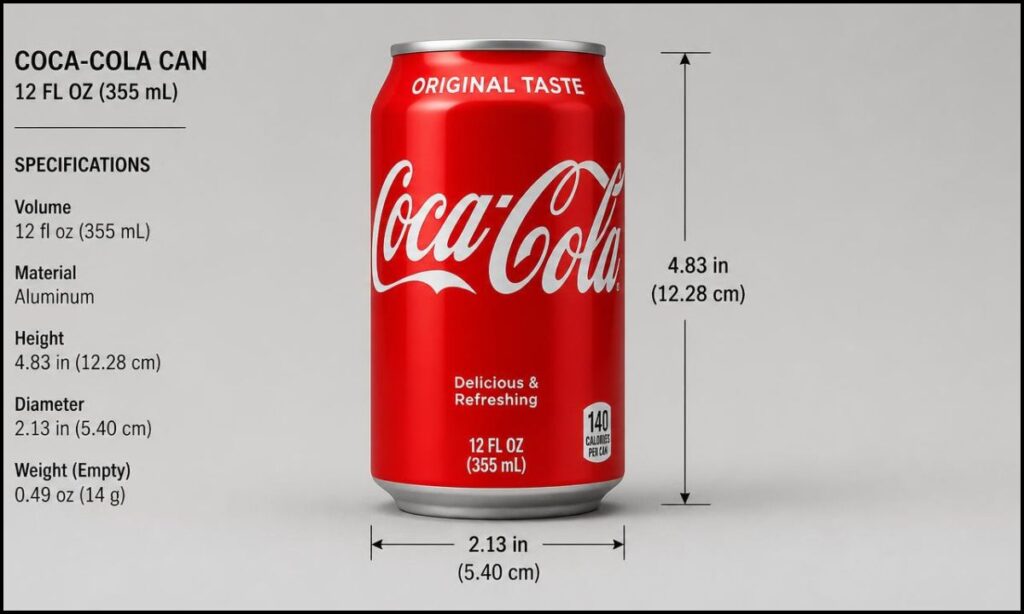
For people who work with metric measurements, the familiar 12 oz format can also be understood using centimeters.
The approximate 2.6-inch body diameter converts to about 6.60 centimeters, while 4.83 inches of height converts to about 12.27 centimeters.
These conversions are particularly useful when working with international packaging standards, product dimensions, or storage systems that use metric measurements.
A quick reference:
- 4.83 inches ≈ 12.27 cm in height
- 2.6 inches ≈ 6.60 cm in body diameter
- 1.3 inches ≈ 3.30 cm in radius
- 355 mL = approximately 12 U.S. fluid ounces
If you’re designing a container or storage compartment, though, don’t rely only on rounded conversions. Packaging engineering often works with tighter tolerances, and the actual product specification should be checked before manufacturing.
Mini Can Dimensions: The Smaller Option
The mini can has become a familiar alternative for people who want a smaller serving of a soft drink. A commonly referenced 7.5 oz format holds approximately 222 mL / 7.5 oz.
A representative mini format may measure around 4.2 inches tall and 2.1 inches in diameter, with a radius of about 1.05 inches.
The smaller physical size can be convenient for portion control, lunch boxes, compact refrigerators, and situations where a full-size beverage isn’t necessary. It also changes the visual balance of a retail display; smaller cans can sit neatly beside larger products without making the shelf feel crowded.
Mini formats are particularly interesting because the reduction isn’t simply “make everything smaller.” Manufacturers have to consider the relationship between the can’s height, diameter, capacity, opening, and structural requirements.
What Is a 7.5 Oz Can?
A 7.5 oz can generally contains about 222 mL of beverage. Compared with a standard 12 oz can, it provides a smaller serving while retaining the familiar aluminum-can format.
For someone comparing dimensions of a 7.5 oz can, the approximate 4.2-inch height and 2.1-inch diameter are useful reference points, though exact dimensions can differ among products.
This format can be practical when refrigerator space is limited or when a smaller serving is preferred. It may also be useful for portion size management, depending on the beverage and the individual’s dietary needs.
Of course, a smaller can doesn’t automatically mean a healthier drink. The sugar content and caffeine content depend on what’s inside the container, not merely the size printed on its label.
What Is a 16 Oz Tallboy Can?
The 16 oz can, often called a tallboy can, gives consumers more beverage without requiring a dramatically wider container.
A commonly referenced tall format is around 6.2 inches tall and holds 473 mL / 16 oz. Exact dimensions vary depending on the beverage category and manufacturer.
The taller profile is useful because increasing height can add volume while keeping the can diameter relatively narrow. That’s valuable for refrigerator shelves, vending equipment, and other spaces where width is more constrained than height.
You can see similar thinking across energy-drink packaging. Products such as Red Bull, Monster, and Celsius may use taller or slimmer profiles that distinguish them visually from a conventional soda can.
Slim Can Dimensions Explained
A slim can takes the tall-and-narrow idea even further. One commonly referenced slim format is approximately 6.125 inches tall with a diameter around 2.13 inches.
The 2.13-inch measurement is also about 5.41 cm, which provides a useful metric reference for the narrower profile.
Slim cans are increasingly visible in beverages beyond traditional soda, especially sparkling drinks and energy beverages. Their taller appearance can make the product feel different in the hand even when the actual liquid capacity isn’t dramatically larger.
The slimmer can diameter can also influence how the package fits in cup holders and storage spaces. But again, exact fit depends on the holder. A cup holder designed around a conventional 12 oz can may not grip a very narrow can equally well.
Why Are Soda Cans Different Sizes?
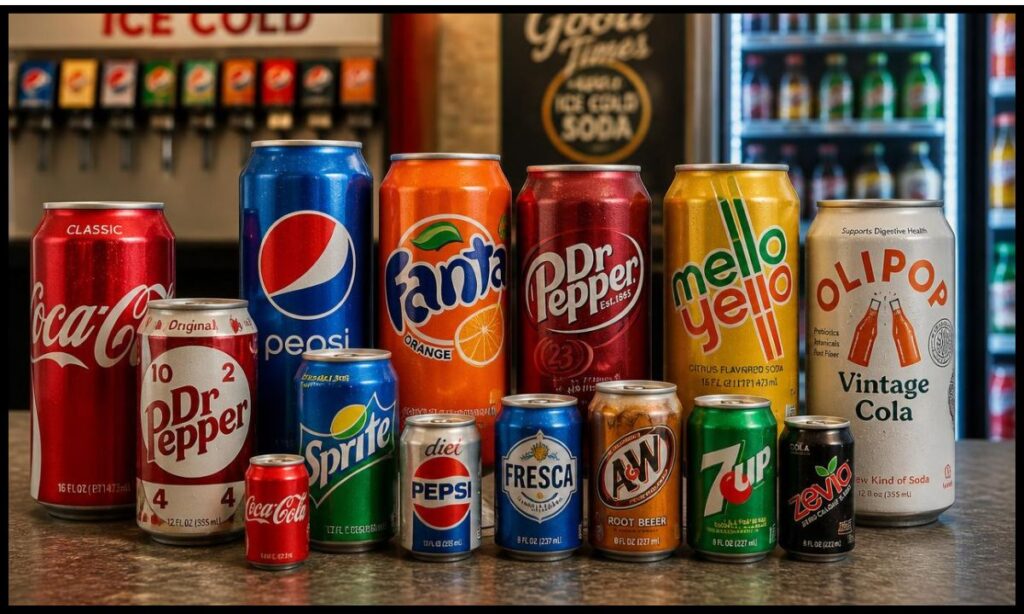
There isn’t one universal can size because beverages serve different consumption occasions.
A small 7.5 oz can might suit a short refreshment. A 12 oz can is a familiar everyday serving in the U.S. A 16 oz tallboy offers more volume, while a slim package can create a different handling and visual experience.
Manufacturers also consider portion control, price points, transportation, retail presentation, and consumer preferences.
Think about a grocery store shelf. If every beverage had exactly the same height and diameter, product packaging would lose one of its visual tools. Different shapes help brands distinguish products while also serving practical purposes.
That little cylinder is doing marketing and engineering at the same time, which is honestly a pretty busy little can.
Coke Can Dimensions by Country and Region
One reason people encounter different international beverage sizes is that beverage packaging isn’t completely standardized worldwide.
In the United States, 355 mL / 12 oz is a very familiar format. In Europe, 330 mL cans are widespread. Australia commonly uses 375 mL formats, while 250 mL cans can be found in various Asian markets and other regions.
These differences mean that Coke can dimensions by country can vary even when the brand is the same.
United States and North America
The 12 oz can is an important reference point in the United States and North America. It is common across mainstream carbonated soft drinks.
Europe
A 330 mL can is a familiar beverage format across many European markets. Its physical dimensions may differ from a 355 mL U.S. can depending on the specific manufacturer and package style.
Australia
A 375 mL can is a notable format in Australia. Again, capacity alone doesn’t tell you the exact height and diameter because can proportions vary.
Asia
The 250 mL can is another common international format. Smaller packages can make sense where serving conventions, retail practices, and consumer preferences differ.
So when comparing Coke can sizes compared across countries, always look at both volume and physical dimensions. Two cans with nearly similar capacities can have noticeably different shapes.
Can Opening and Can Lid Dimensions
The top of a soda can is more complicated than it appears.
The can lid has to support the pull tab, provide a sealed surface, and withstand the internal pressure of a carbonated beverage. The actual can opening is much smaller than the full lid diameter.
A commonly referenced opening measurement is around 0.8 inches, although the exact opening varies with can design and manufacturing specifications.
The top may also have a smaller diameter than the main body because of the tapered profile. This design reduces material use and contributes to the familiar shape of modern cans.
It’s one of those things you don’t notice until someone points it out. Then suddenly every soda can starts looking like a tiny piece of industrial engineering.
Why Can Dimensions Matter for Storage?
The physical can dimensions matter whenever beverages need to be stored efficiently.
A standard can’s combination of height and diameter allows several cans to fit into a refrigerator without using an excessive amount of horizontal space. The same principle applies to a mini-fridge, cooler, lunch box, and beverage vending machine.
Storage planning becomes even more important for restaurants, supermarkets, warehouses, and event organizers. A few millimeters multiplied across hundreds of products can become a surprising amount of shelf space.
For home use, the issue is simpler. If you know the approximate can height and can diameter, you can estimate whether a particular drink will fit in a compartment before buying a whole pack.
Can Dimensions for Cup Holders and Vending Machines
The familiar cylindrical shape of a soda can is partly connected to the spaces where cans are used.
A car cup holder generally needs to accommodate a beverage container’s lower diameter. Standard cans are convenient because their relatively consistent body width works with many holders.
Vending machines also depend on packaging dimensions. Internal rails, dispensing mechanisms, and storage channels need to work with particular product sizes.
This is where can dimensions for cup holders and can dimensions for vending machines become more than trivia. They’re practical measurements that influence whether a product can be transported, displayed, dispensed, or stored efficiently.
Coke vs Pepsi Can Size
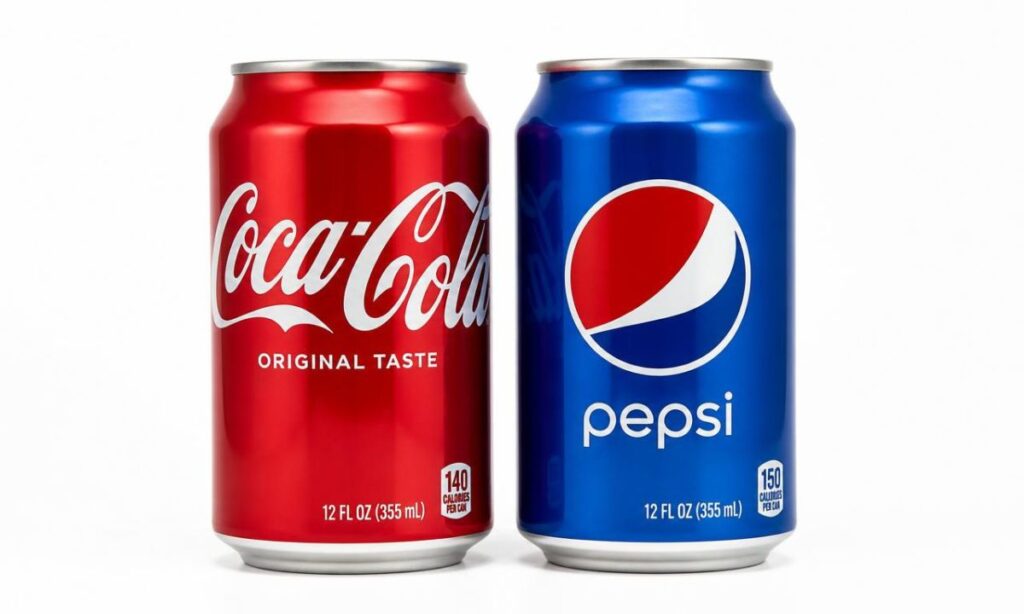
People sometimes search for Coke vs Pepsi can size because the two brands are competing products with similar packaging traditions.
A standard serving may use a familiar 12 oz format in the United States, but the exact physical dimensions can vary by product, manufacturer, and regional packaging.
The same caution applies when comparing a Coke can vs Red Bull can or a Coke can vs Monster can. Energy drinks frequently use taller, slimmer packages, so their dimensions may look dramatically different even when they’re all aluminum beverage containers.
Capacity, height, diameter, and shape should therefore be compared separately rather than assuming that every beverage can follows one universal specification.
Why Aluminum Is Used for Soda Cans
Most modern soft-drink cans are made from aluminum because the material offers a useful combination of low weight, formability, strength, and recyclability.
An aluminum can can be manufactured into a thin-walled container that still handles the pressure associated with a carbonated beverage.
The manufacturing process also allows companies to produce enormous quantities of consistent packages. Consistency is important because automated filling, labeling, shipping, and retail systems all depend on predictable product dimensions.
The can is light enough to transport efficiently, but strong enough to survive the journey from factory to grocery store, refrigerator, picnic cooler, or gas station.
How Can Dimensions Affect Packaging?
A beverage company doesn’t only design the individual container. It has to think about the entire chain around it.
Beverage packaging involves individual cans, multi-packs, cartons, shipping cases, pallets, warehouse shelves, and retail displays. Change the can shape, and you may have to reconsider several of those systems.
For example, a taller package could affect carton height. A wider can could reduce the number of cans fitting across a case. A slimmer can might allow different arrangements but require new vending or cup-holder considerations.
That’s why packaging design is much more than making something look attractive. It’s a practical balancing act involving manufacturing, transportation, storage, display, and consumer use.
Soda Can Dimensions for Party Planning
For party planning, exact engineering measurements probably aren’t the first thing on your mind. Still, understanding can sizes can help when estimating how much refrigerator or cooler space you’ll need.
A group using mostly 12 oz cans will need a different amount of storage than a gathering using 7.5 oz minis or 16 oz tallboys.
You can also think about serving size. A 12 oz can contains roughly 355 mL, while a 7.5 oz mini contains around 222 mL. If guests are likely to drink smaller portions, mini cans may reduce the amount left unfinished.
Of course, beverages differ enormously in sugar content and caffeine content, so capacity alone shouldn’t determine what someone chooses to drink.
How to Measure a Soda Can Yourself
If you have a can nearby, measuring it is easy and can actually be a fun little experiment.
First, measure the can height from the bottom to the top. Then measure across the widest portion of the body to find the body diameter. Don’t measure the narrower lid area if you’re trying to determine the main cylindrical diameter.
You can calculate the can radius by dividing the diameter by two. If you want the approximate can circumference, multiply the diameter by π.
For example, using a 2.6-inch diameter:
Circumference ≈ 2.6 × 3.14159 ≈ 8.17 inches.
That’s an approximate geometric calculation, not necessarily the exact circumference of every physical part of the can, because real cans have curved edges and tapered sections.
Read more : Diameter of a Coke Can
Frequently Asked Questions
What are the dimensions of a standard 12 oz soda can?
A commonly referenced 12 oz can is approximately 4.83 inches tall and 2.6 inches in body diameter, with a capacity of 355 mL / 12 oz.
How tall is a Coke can?
A standard U.S.-style 12 oz Coke can is commonly referenced at around 4.83 inches tall, although exact dimensions can vary by product and market.
How wide is a 12 oz Coke can?
The main body is approximately 2.6 inches in diameter, giving it an approximate radius of 1.3 inches.
How much does a standard soda can hold?
A common U.S. standard can holds 355 mL, equivalent to 12 U.S. fluid ounces.
How big is a mini soda can?
A commonly referenced 7.5 oz mini can is around 4.2 inches tall and 2.1 inches in diameter, holding approximately 222 mL.
How tall is a 16 oz tallboy?
A representative 16 oz tallboy can is approximately 6.2 inches tall, although exact dimensions depend on the particular package.
Are Coke cans the same size everywhere?
No. International beverage sizes differ. For example, 330 mL, 375 mL, 250 mL, 355 mL, and 473 mL formats can all be encountered in different markets and product categories.
Conclusion
The dimensions of a can of soda may seem like a tiny subject, but they reveal how much thought goes into an everyday object. A standard can has to hold its beverage, survive transportation, fit into storage systems, work with vending equipment, occupy sensible shelf space, and still feel comfortable in your hand.
A familiar 12 oz can at roughly 4.83 inches tall and 2.6 inches wide is only one piece of a much larger world of packaging. Mini cans, slim cans, and tallboy formats all show how changing height, diameter, and capacity can create different products for different occasions.
So next time you pull a cold soda from the refrigerator, give the little aluminum cylinder half a second of attention. Its height, diameter, tapered top, lid, opening, and capacity weren’t random. Somebody, somewhere, measured all of it probably more times than you’d care to imagine.
And that’s what makes ordinary objects interesting: sometimes the most familiar things have the most carefully measured stories.